Beijing Central Axis to mark 2nd anniversary of UNESCO World Heritage inscription


This photo taken on July 24, 2026 shows a view of the Qianmen pedestrian street in Beijing, capital of China. Marking the second anniversary of the successful inscription of the Beijing Central Axis on the UNESCO World Heritage List, heritage sites along the Beijing Central Axis, such as the Palace Museum, Zhengyangmen Gate, and Altar of the God of Agriculture, also referred to as the Xiannongtan Temple, will either open to the public free of charge or launch new exhibitions on July 27.
Over the past two years, efforts to conserve, inherit and make good use of the Beijing Central Axis have advanced steadily, achieving new outcomes in areas including related legal system, UNESCO World Heritage signage, landscape improvement, creative utilization, collaborative protection and international communication. (Xinhua/Chen Zhonghao)

Cultural and creative products themed on the Temple of Heaven and other elements are pictured in Beijing, capital of China, July 24, 2026. Marking the second anniversary of the successful inscription of the Beijing Central Axis on the UNESCO World Heritage List, heritage sites along the Beijing Central Axis, such as the Palace Museum, Zhengyangmen Gate, and Altar of the God of Agriculture, also referred to as the Xiannongtan Temple, will either open to the public free of charge or launch new exhibitions on July 27.
Over the past two years, efforts to conserve, inherit and make good use of the Beijing Central Axis have advanced steadily, achieving new outcomes in areas including related legal system, UNESCO World Heritage signage, landscape improvement, creative utilization, collaborative protection and international communication. (Xinhua/Chen Zhonghao)
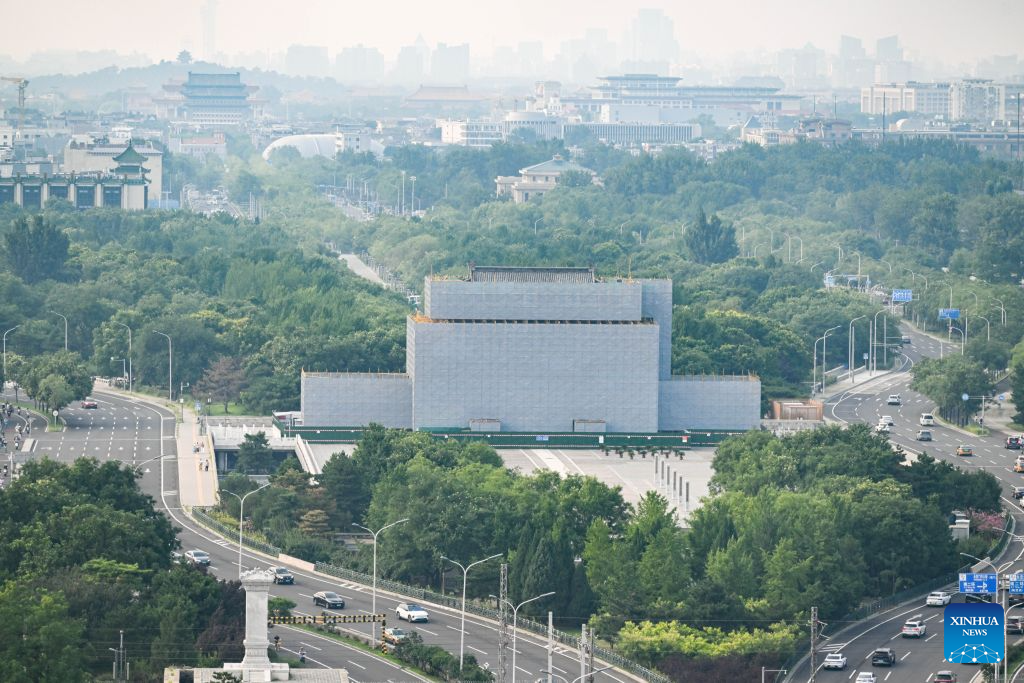
This photo taken on July 24, 2026 shows a view of the Yongdingmen Gate under renovation in Beijing, capital of China. The systemic renovation of the Yongdingmen Gate started in October 2025. Marking the second anniversary of the successful inscription of the Beijing Central Axis on the UNESCO World Heritage List, heritage sites along the Beijing Central Axis, such as the Palace Museum, Zhengyangmen Gate, and Altar of the God of Agriculture, also referred to as the Xiannongtan Temple, will either open to the public free of charge or launch new exhibitions on July 27.
Over the past two years, efforts to conserve, inherit and make good use of the Beijing Central Axis have advanced steadily, achieving new outcomes in areas including related legal system, UNESCO World Heritage signage, landscape improvement, creative utilization, collaborative protection and international communication. (Xinhua/Chen Zhonghao)
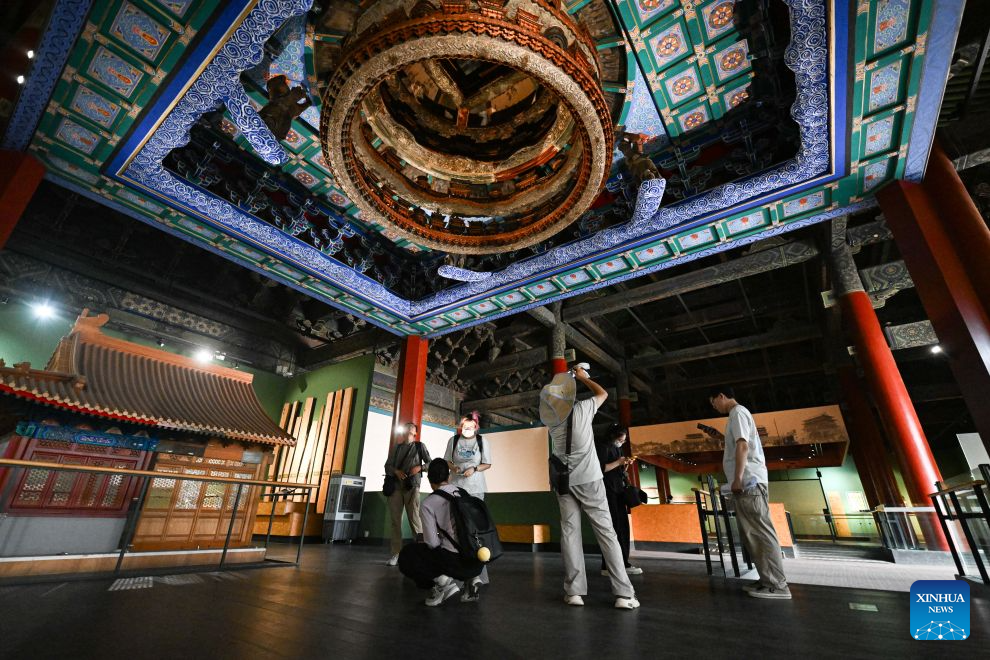
People visit the Beijing Ancient Architecture Museum inside the Altar of the God of Agriculture, also referred to as the Xiannongtan Temple, in Beijing, capital of China, July 24, 2026. Marking the second anniversary of the successful inscription of the Beijing Central Axis on the UNESCO World Heritage List, heritage sites along the Beijing Central Axis, such as the Palace Museum, Zhengyangmen Gate, and Altar of the God of Agriculture, also referred to as the Xiannongtan Temple, will either open to the public free of charge or launch new exhibitions on July 27.
Over the past two years, efforts to conserve, inherit and make good use of the Beijing Central Axis have advanced steadily, achieving new outcomes in areas including related legal system, UNESCO World Heritage signage, landscape improvement, creative utilization, collaborative protection and international communication. (Xinhua/Chen Zhonghao)
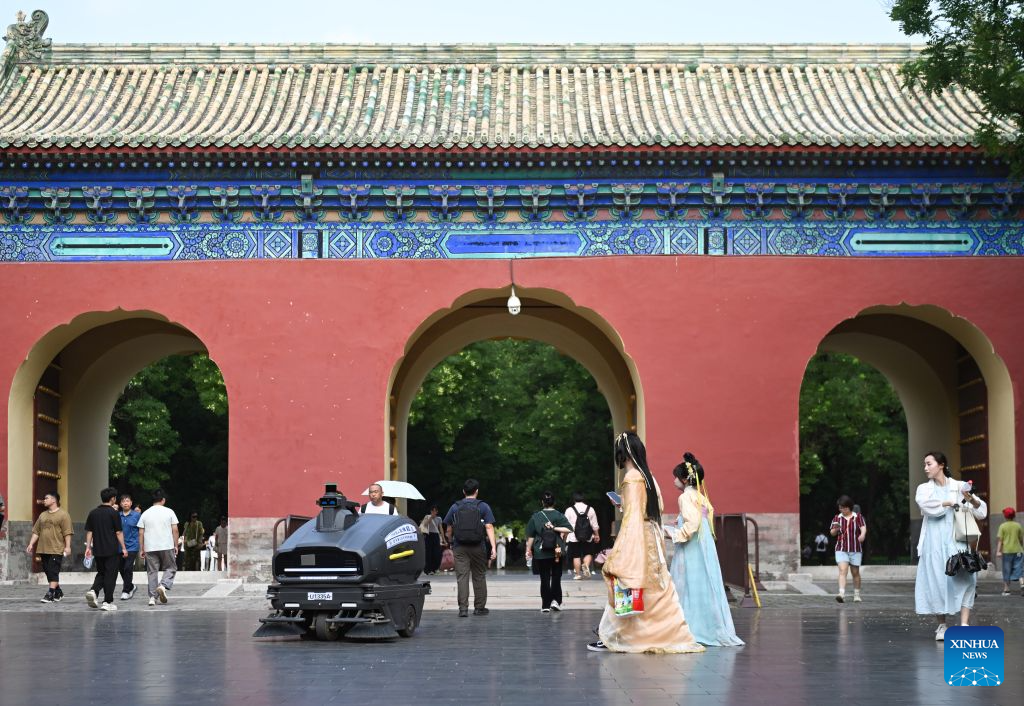
Tourists dressed in traditional Chinese attire encounter with a cleaning robot at the Temple of Heaven Park in Beijing, capital of China, July 24, 2026. Marking the second anniversary of the successful inscription of the Beijing Central Axis on the UNESCO World Heritage List, heritage sites along the Beijing Central Axis, such as the Palace Museum, Zhengyangmen Gate, and Altar of the God of Agriculture, also referred to as the Xiannongtan Temple, will either open to the public free of charge or launch new exhibitions on July 27.
Over the past two years, efforts to conserve, inherit and make good use of the Beijing Central Axis have advanced steadily, achieving new outcomes in areas including related legal system, UNESCO World Heritage signage, landscape improvement, creative utilization, collaborative protection and international communication. (Xinhua/Chen Zhonghao)

This photo taken on July 24, 2026 shows a view of a platform on the Zhengyangmen Archery Tower with the Zhengyangmen Gate in the background in Beijing, capital of China. Beijing has launched environmental renovation for Zhengyangmen Gate, Zhengyangmen Archery Tower and surrounding areas in 2026. Marking the second anniversary of the successful inscription of the Beijing Central Axis on the UNESCO World Heritage List, heritage sites along the Beijing Central Axis, such as the Palace Museum, Zhengyangmen Gate, and Altar of the God of Agriculture, also referred to as the Xiannongtan Temple, will either open to the public free of charge or launch new exhibitions on July 27.
Over the past two years, efforts to conserve, inherit and make good use of the Beijing Central Axis have advanced steadily, achieving new outcomes in areas including related legal system, UNESCO World Heritage signage, landscape improvement, creative utilization, collaborative protection and international communication. (Xinhua/Chen Zhonghao)

This photo taken on July 24, 2026 shows a view of the Zhengyangmen Gate in Beijing, capital of China. Beijing has launched environmental renovation for Zhengyangmen Gate, Zhengyangmen Archery Tower and surrounding areas in 2026. Marking the second anniversary of the successful inscription of the Beijing Central Axis on the UNESCO World Heritage List, heritage sites along the Beijing Central Axis, such as the Palace Museum, Zhengyangmen Gate, and Altar of the God of Agriculture, also referred to as the Xiannongtan Temple, will either open to the public free of charge or launch new exhibitions on July 27.
Over the past two years, efforts to conserve, inherit and make good use of the Beijing Central Axis have advanced steadily, achieving new outcomes in areas including related legal system, UNESCO World Heritage signage, landscape improvement, creative utilization, collaborative protection and international communication. (Xinhua/Chen Zhonghao)

Journalists visit an exhibition, scheduled to open on July 27, during a press preview at Beijing Ancient Architecture Museum inside the Altar of the God of Agriculture, also referred to as the Xiannongtan Temple, in Beijing, capital of China, July 24, 2026. Marking the second anniversary of the successful inscription of the Beijing Central Axis on the UNESCO World Heritage List, heritage sites along the Beijing Central Axis, such as the Palace Museum, Zhengyangmen Gate, and Altar of the God of Agriculture, also referred to as the Xiannongtan Temple, will either open to the public free of charge or launch new exhibitions on July 27.
Over the past two years, efforts to conserve, inherit and make good use of the Beijing Central Axis have advanced steadily, achieving new outcomes in areas including related legal system, UNESCO World Heritage signage, landscape improvement, creative utilization, collaborative protection and international communication. (Xinhua/Chen Zhonghao)

A staff member plays bianzhong, or chime bells, at the Divine Music Administration inside the Temple of Heaven Park in Beijing, capital of China, July 24, 2026. The renovated Divine Music Administration has opened to the public since February in 2026, it also serves as a main exhibition area of the museum of the Temple of Heaven since June this year. Marking the second anniversary of the successful inscription of the Beijing Central Axis on the UNESCO World Heritage List, heritage sites along the Beijing Central Axis, such as the Palace Museum, Zhengyangmen Gate, and Altar of the God of Agriculture, also referred to as the Xiannongtan Temple, will either open to the public free of charge or launch new exhibitions on July 27.
Over the past two years, efforts to conserve, inherit and make good use of the Beijing Central Axis have advanced steadily, achieving new outcomes in areas including related legal system, UNESCO World Heritage signage, landscape improvement, creative utilization, collaborative protection and international communication. (Xinhua/Chen Zhonghao)

An exhibit is pictured at an exhibition, scheduled to open on July 27, at Beijing Ancient Architecture Museum inside the Altar of the God of Agriculture, also referred to as the Xiannongtan Temple, in Beijing, capital of China, July 24, 2026. Marking the second anniversary of the successful inscription of the Beijing Central Axis on the UNESCO World Heritage List, heritage sites along the Beijing Central Axis, such as the Palace Museum, Zhengyangmen Gate, and Altar of the God of Agriculture, also referred to as the Xiannongtan Temple, will either open to the public free of charge or launch new exhibitions on July 27.
Over the past two years, efforts to conserve, inherit and make good use of the Beijing Central Axis have advanced steadily, achieving new outcomes in areas including related legal system, UNESCO World Heritage signage, landscape improvement, creative utilization, collaborative protection and international communication. (Xinhua/Chen Zhonghao)
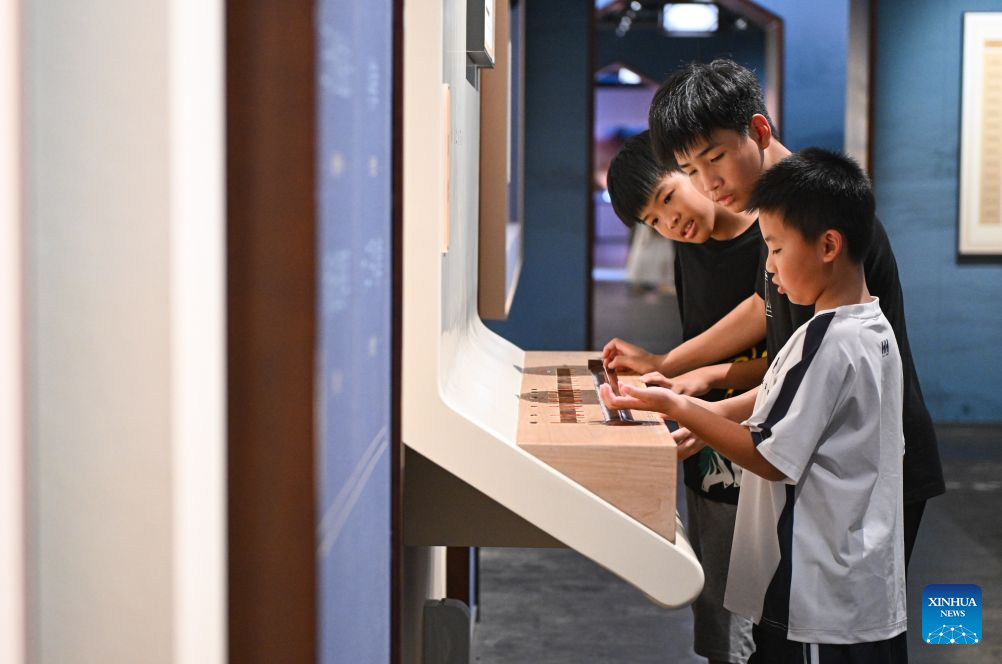
Children interact with an installation at the Divine Music Administration inside the Temple of Heaven Park in Beijing, capital of China, July 24, 2026. The renovated Divine Music Administration has opened to the public since February in 2026, it also serves as a main exhibition area of the museum of the Temple of Heaven since June this year. Marking the second anniversary of the successful inscription of the Beijing Central Axis on the UNESCO World Heritage List, heritage sites along the Beijing Central Axis, such as the Palace Museum, Zhengyangmen Gate, and Altar of the God of Agriculture, also referred to as the Xiannongtan Temple, will either open to the public free of charge or launch new exhibitions on July 27.
Over the past two years, efforts to conserve, inherit and make good use of the Beijing Central Axis have advanced steadily, achieving new outcomes in areas including related legal system, UNESCO World Heritage signage, landscape improvement, creative utilization, collaborative protection and international communication. (Xinhua/Chen Zhonghao)
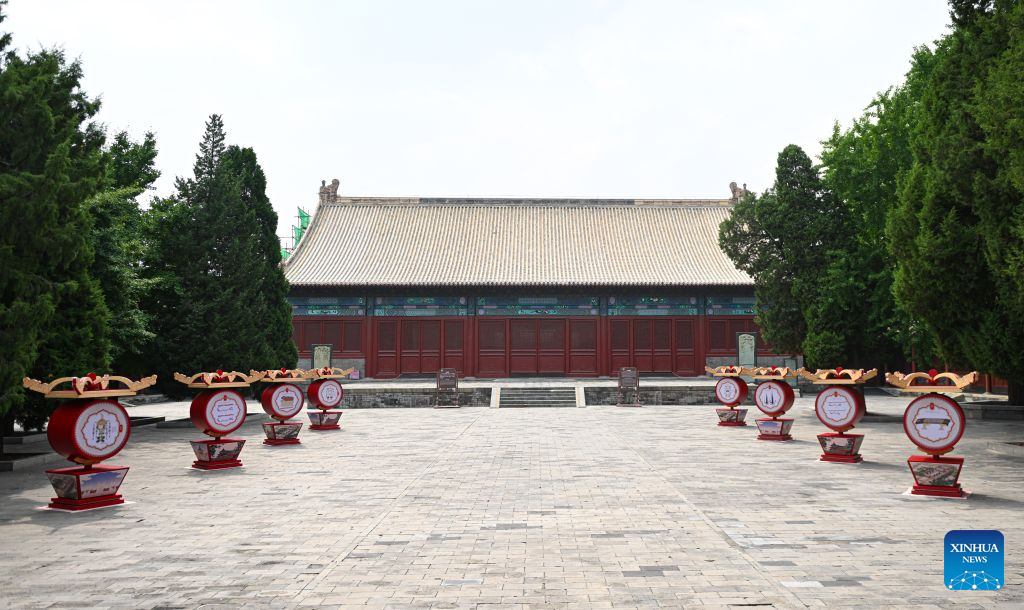
This photo taken on July 24, 2026 shows a view of the Divine Music Administration inside the Temple of Heaven Park in Beijing, capital of China. The renovated Divine Music Administration has opened to the public since February in 2026, it also serves as a main exhibition area of the museum of the Temple of Heaven since June this year. Marking the second anniversary of the successful inscription of the Beijing Central Axis on the UNESCO World Heritage List, heritage sites along the Beijing Central Axis, such as the Palace Museum, Zhengyangmen Gate, and Altar of the God of Agriculture, also referred to as the Xiannongtan Temple, will either open to the public free of charge or launch new exhibitions on July 27.
Over the past two years, efforts to conserve, inherit and make good use of the Beijing Central Axis have advanced steadily, achieving new outcomes in areas including related legal system, UNESCO World Heritage signage, landscape improvement, creative utilization, collaborative protection and international communication. (Xinhua/Chen Zhonghao)


