


LHASA, June 26 (Xinhua) -- Tibetans generally serve guests highland barley wine. In a township 1,000 km from Lhasa, capital of Tibet Autonomous Region, where some people of the ethnic Naxi group live, locals welcome guests with indigenous red wine instead.
The township gets its name from the ethnicity of the inhabitants -- the ethnic Naxi people, though most of whom live in Yunnan Province, Tibet's neighbor. Under the jurisdiction of Mangkam County, Chamdo, Naxi Township is the only area for the Naxi minority in Tibet. It has an average altitude of 2,600 meters and a total population of 4,557.
Naxi is just one of the more than 40 ethnic groups in Tibet, and the largest of these nationalities are the Tibetans. Tibet has a population of more than 3.3 million.
According to the annals of Mangkam County, a French missionary traveled to the township in the 19th century, bringing grape seeds and teaching locals to make wine.
Grape plantation and wine-making have taken roots in the ethnic Naxi people since then.
The unique geographic condition, plateau climate and rich river resources provide a good growth environment for grapes in the township, where pesticides are rarely used during the growth cycle of grapes.
Red wine has therefore become a local specialty product there. Almost every family in the township knows how to make red wine through traditional natural fermentation methods. Apart from drinking red wine, local residents also sell them. Without fancy and expensive packaging boxes, red wine produced by Tibet's Naxi people has gained popularity and has been playing an important role in helping locals shake off poverty in recent years.
East Tibet Treasure Winery Co., believed to be the first wine firm of Tibet, was established in Naxi Township in 2009. Through a decade of development, the winery can produce more than 300 tonnes of wine per year, with the output value exceeding 20 million yuan (around 2.9 million U.S. dollars) last year.
"We plan to produce more than 400 tonnes of wine this year, and the sales revenue is expected to exceed 30 million yuan," said Qogco, the product sales manager of the company.
The company's hot seller is a brand named after a local snow mountain, which also won a gold medal at the Asian Wine Competition in 2017, according to Qogco.
In 2016, Lurinde, another Tibetan man, set up a new winery in the township's Shangyanjing Village, where the only Catholic church in Tibet stands.
"Our red wine is made from small, locally grown black grapes. We have four over 100-year-old vines," said Lurinde, whose winery now has an annual output of more than 50 tonnes.
Sonan Chudzong, head of the township government, said wine-making has now become the key industry in his township, and it had more than 200 hectares of grape farms in total. While in Mangkam county, there are more than 666 hectares of grape production bases.
"The wine industry has stimulated the enthusiasm of the local people to grow grapes and has become an important source of income for the locals," said Sonan, adding that the government provides local grape growers with more than 1 million yuan in subsidies every year.
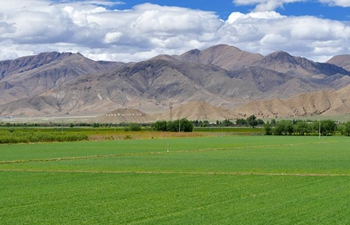
Apart from grape plantation, the township has also been developing highland barley and wheat farming. Many local Naxi people also run guesthouses and engage in tourism.
In 2018, the per capita income of locals was nearly 13,000 yuan, according to Sonan.